

كلمات كراش - لعبة تسلية وتحدي
Zytoona
I approached كلمات كراش - لعبة تسلية وتحدي as a quick word game rather than something designed for long, uninterrupted sessions. That distinction matters. It is free to start, aimed at Everyone, and built around the kind of short puzzle challenge that fits a spare moment, but it can still demand careful attention when a level uses a less obvious connection between letters or clues. My experience was generally positive: the game is easy to pick up, satisfying when a solution finally clicks, and broad enough to appeal to Arabic-speaking players who enjoy testing vocabulary and observation.
The game comes from Zytoona and sits firmly in the word category. Its popularity is easy to understand when you see how approachable the basic idea is: look at the available letters, interpret the prompt or visual hint, and work toward the intended answer. The challenge is not only knowing words. It is also noticing patterns, resisting the first answer that comes to mind, and recognizing the particular way a puzzle wants you to think.
Getting Started Without Unnecessary Friction
The first point I would check is compatibility. The current release is version 8.90 and requires Android 6.0 or later. That is useful to know before troubleshooting anything else, especially if the game is being installed on an older phone or a device that has not been updated for a long time. A failed installation is not always a problem with the game itself; an operating-system mismatch can stop the process before the app even opens.
I would also make sure there is enough free storage and that the device has a stable connection during installation. These are simple checks, but they prevent a surprising amount of confusion. If the download pauses, restarts, or refuses to complete, closing other downloads and trying again on a reliable network is a sensible first step. Restarting the phone can also clear a temporary installation problem without requiring more complicated changes.
Once installed, the game is best approached with a few quiet minutes available. It is tempting to open it while rushing between tasks, then assume a puzzle is difficult because the answer does not appear immediately. In reality, word puzzles often benefit from a short reset. I found that putting the phone down briefly and returning with fresh attention was more useful than repeatedly tapping at the same letters.
Related News

Why WhatsApp Messenger Still Makes Everyday Communication Feel Easy

Jurassic World: The Game Is the Better Dino Tycoon for Strategic Players

Threads in Real Life: Who Should Join, Lurk, or Leave

How SHEIN Turned Shopping Into an Endless Content Feed

How to Make Fortnite Feel Smarter on Mobile

Should You Switch to Microsoft Outlook on Mobile?
The game is free, which makes it easy to try without a financial commitment. It also includes optional in-app purchases ranging from $0.99 to $4.49 per item. I would treat those purchases as a convenience rather than part of the basic decision to install. If you enjoy solving independently, the free experience is the natural place to begin. If you are considering a purchase, I recommend first deciding whether the game’s core rhythm suits you, instead of buying simply because one level has become frustrating.
Its age rating of Everyone makes it suitable for a broad audience, but that does not mean every puzzle will feel equally easy for every player. Younger users may enjoy the visual and guessing elements, while adults may appreciate the vocabulary test. The real dividing line is language familiarity. Someone who reads Arabic comfortably is likely to get much more from it than a player who is only beginning to recognize Arabic words.
Where Players Commonly Get Stuck
The most common obstacle is probably not technical at all. It is the assumption that every visible letter should be used in the most direct way. When that approach fails, I recommend changing the question from “What word can I make?” to “What idea is this puzzle pointing toward?” That small shift is important because the intended answer may depend on the clue, image, or relationship between words rather than on random letter combinations.
Gallery
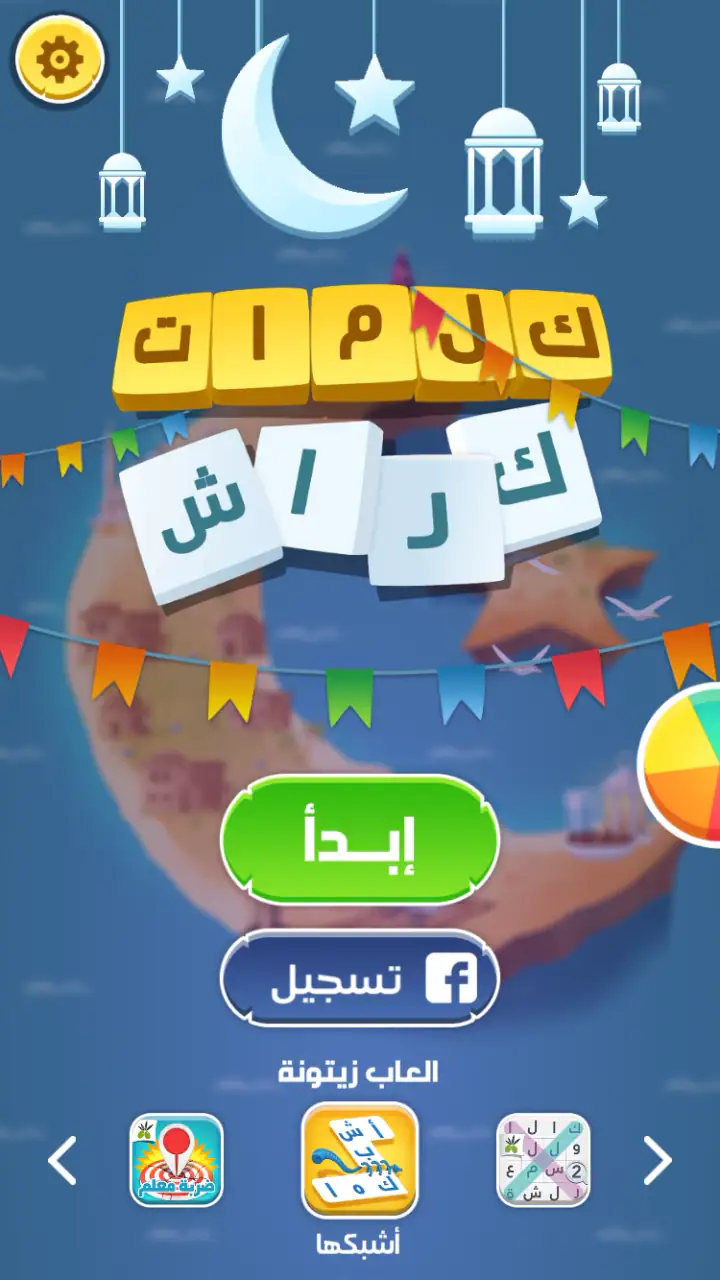
A useful personal method is to separate recognition from guessing. First, I scan the whole puzzle and identify familiar letter groups. Then I consider possible word endings and beginnings. Only after that do I connect the result to the clue. This avoids wasting attempts on words that look plausible but do not fit the puzzle’s theme.
Another source of friction is playing while distracted. A word game can look casual, yet a single missed detail can make the entire level feel blocked. Notifications, poor lighting, or trying to play while walking all reduce accuracy. If a puzzle seems strangely opaque, I would check the surroundings before blaming the level. A two-minute pause in a quieter place can be enough to reveal a pattern that was visible all along.
Players should also expect their progress to slow as their vocabulary is tested more seriously. That is not necessarily a design flaw. The enjoyable part for me was the gradual change from quick answers to more deliberate reasoning. Still, anyone looking for instant success on every screen may find the later challenge tiring. This is a game for people who can accept occasional uncertainty and enjoy working through it.
Recovering When a Level Stops Moving Forward
When I reach a level that seems impossible, I avoid entering a long sequence of random guesses. Random tapping may feel active, but it usually makes the puzzle harder to understand. Instead, I reread the clue, inspect the letter arrangement, and look for a shorter answer that might unlock the broader idea. I also say possible words quietly or write them down mentally; hearing the syllables can expose a word that was easy to overlook on screen.
If the game appears frozen rather than merely difficult, I would first distinguish between a puzzle problem and an app problem. A single unresponsive tap may be caused by a temporary touch-screen issue, while a completely stalled screen may justify closing and reopening the game. Before doing that, I would remember where I was in the level and avoid repeatedly pressing buttons, since rapid taps can make it unclear whether the game is processing an action or ignoring it.
A basic recovery sequence is usually enough: leave the game, reopen it, and check whether the same screen responds normally. If the issue continues, restarting the device is a reasonable next step. I would not immediately uninstall the app, because that can create a separate progress concern and does not explain whether the original issue was temporary. Keeping the game updated through the normal app store process is also sensible, particularly when an older installation behaves differently after a system update.
There is a practical lesson here for puzzle players: use help carefully. If an assistance option or purchase is available, using it on the first difficult level removes the chance to learn the game’s logic. I prefer saving help for a genuine vocabulary gap or a level where I have already tried several approaches. That turns assistance into a last resort instead of a replacement for solving.
For families, I would establish a simple rule before handing the game to a child: ask for a hint or take a break before spending money. Because optional items are available, that conversation is more useful than assuming a free game has no purchase decisions attached to it. The game’s Everyone rating makes it approachable, but responsible use still depends on the person holding the device.
When the App Is Not the Real Cause
Not every failed download, slow response, or missing screen points to a defect in the game. Device storage, an unstable connection, an outdated operating system, or a temporary app-store problem can all produce similar symptoms. I would check those basics before concluding that كلمات كراش - لعبة تسلية وتحدي is unreliable.
Performance can also be affected by the phone itself. If several demanding apps are open, closing the ones that are not needed may help. A device with very little free space can behave unpredictably even when a game is relatively simple. Likewise, if other apps are also slow or failing to load, the wider device environment deserves attention before the game is singled out.
Touch accuracy is another overlooked factor. A screen protector, damp fingers, or a damaged area of the display can make a player think the game has ignored an answer. I would test a few taps in another app and rotate the phone if the interface allows it. If the same part of the screen fails elsewhere, the problem is probably hardware or system related rather than specific to the puzzle.
Language settings and reading habits can affect the experience too. A player may recognize the letters but miss the intended meaning because the clue is being read too quickly or interpreted through a different dialect. I found that slowing down and treating the clue as a complete thought worked better than focusing only on individual characters. This is one reason the game is more rewarding for a confident Arabic reader than for someone expecting a language-neutral puzzle.
Compared with a crossword, this game feels more immediate and less dependent on filling a large grid. Compared with a simple anagram app, it asks for more interpretation because the clue and the arrangement work together. A traditional word-search game may be better for someone who wants visual scanning with little language ambiguity, while a crossword may suit players who prefer longer sessions and layered clues. I see this title as the middle ground: quicker than a crossword, but more thoughtful than merely rearranging letters.
Who Will Enjoy It Most
I would recommend it to Arabic-speaking players who want a compact mental break, families looking for a shared guessing activity, and anyone who enjoys the moment when a clue suddenly becomes clear. It also works well for people who dislike complicated controls. The main interaction is centered on reading, noticing, and answering, so there is little to learn before the actual challenge begins.
A realistic everyday use case is a short wait at a clinic, a quiet coffee break, or a few minutes before bed. I would play one or two levels, stop before the game starts feeling like work, and return later. That approach suits the format better than trying to force a long marathon. The game’s free entry also makes it easy to keep available for occasional use without planning a purchase in advance.
It is less suitable for someone seeking a competitive multiplayer experience, a story-driven adventure, or a game with constant action. It may also frustrate players who want every answer to be obvious from the letters alone. If your preference is for number puzzles, visual matching, or a completely language-independent challenge, another category would probably be a better fit.
The scale of its audience says something about its accessibility: it has passed 100 million installs and holds a 4.7 average from around 4.8 million ratings. Those figures do not guarantee that every player will enjoy every level, but they do match my impression that the basic format is easy to understand. Its appeal comes from being familiar without being entirely effortless.
My Practical Verdict After Playing
My final view is favorable, with one important condition: install it for the word challenges, not for instant answers. Zytoona has created a game that fits naturally into short breaks and gives Arabic vocabulary a playful setting. The strongest moments come when I stop guessing mechanically and start reading the puzzle as a complete idea.
The main friction is the same thing that gives the game value. A difficult clue can slow the session, and players who dislike uncertainty may be tempted to use help or make optional purchases too quickly. Technical problems should be handled with ordinary checks—compatibility, storage, connection, restart, and update—before assuming the game is at fault. That simple workflow makes the experience more dependable.
With its free price, Everyone rating, current version 8.90, and broad word-game focus, it is easy to recommend as a low-risk trial. I would skip it only if you want action, deep narrative, or a strictly competitive format. For everyone else, especially Arabic readers who enjoy solving in small bursts, كلمات كراش - لعبة تسلية وتحدي is a worthwhile choice. My best advice is to play patiently, save help for truly stubborn levels, and treat each pause as part of the puzzle rather than a sign that the game has failed.
FAQs for كلمات كراش - لعبة تسلية وتحدي
What is the main objective of كلمات كراش - لعبة تسلية وتحدي?
كلمات كراش - لعبة تسلية وتحدي is a word puzzle game designed to challenge players with various levels of difficulty. The main objective is to find and connect the correct sequence of letters to form words based on given clues or themes. As you advance, the puzzles become more complex, providing an engaging experience for language enthusiasts.
Is كلمات كراش suitable for all age groups?
Yes, كلمات كراش is suitable for players of all ages. The game offers a range of difficulty levels, making it accessible for children and adults alike. Its educational aspect also helps improve vocabulary and language skills, making it a fun and beneficial game for family members to enjoy together.
Does كلمات كراش require an internet connection to play?
كلمات كراش can be played offline, which is great for users who want to enjoy the game without a constant internet connection. However, some features, such as updates or accessing leaderboards, may require an internet connection to function properly. This flexibility makes it a convenient choice for on-the-go gaming.
Are there any in-app purchases in كلمات كراش?
Yes, كلمات كراش includes in-app purchases that allow players to buy hints or additional content. While the game is free to download and play, these optional purchases can enhance the gameplay experience by providing extra help with difficult puzzles. It's worth noting that all levels can be completed without making purchases.
How does كلمات كراش help improve language skills?
كلمات كراش enhances language skills by encouraging players to discover new words and improve their vocabulary. The game involves solving word puzzles based on various themes and contexts, which reinforces spelling and word recognition. It’s an enjoyable way for users to learn and practice language in an interactive setting.
Pros
- Engaging puzzles to challenge your brain.
- Visually appealing with colorful graphics.
- Regular updates with new levels.
- Suitable for all ages and skills.
- Offline play available for convenience.
Cons
- Ads can interrupt gameplay frequently.
- Some levels might feel repetitive.
- In-app purchases can be pricey.
- Limited language options available.
- Requires internet for certain features.


